

When evaluating a Greater Boston realtor, the most critical metric is the actual number of closed transactions in your specific neighborhood. A high total volume does not guarantee local expertise, as agents often specialize in distinct sub-markets. To make an informed decision, you must verify recent closing data rather than relying on self-reported marketing claims. This guide explains how to audit a professional's track record effectively. For additional details, review the Malden Multi Family Smoke.
Why Total Volume Can Be Misleading
Many agents advertise their total career transactions, but this figure often includes properties sold years ago or in different regions. A real estate agent is a licensed professional who facilitates the buying, selling, or leasing of real property. In the Greater Boston area, market dynamics vary significantly between neighborhoods. For example, the inventory turnover in Cambridge differs vastly from that in Woburn. An agent with 500 total sales might have only five closed deals in your specific target area. This discrepancy means that total volume is a poor proxy for local market knowledge.
The Importance of Neighborhood Specificity
Local expertise is defined by an agent's deep understanding of specific community trends, zoning laws, and buyer demographics. In Greater Boston, neighborhoods like Malden and Everett have distinct housing stocks and price points. An agent who specializes in luxury homes in Back Bay may not understand the nuances of multi-family investments in Revere. You should look for an agent who has closed a significant number of transactions in your exact neighborhood within the last 12 to 24 months. This recent activity ensures they are familiar with current inventory levels and pricing strategies. For instance, an agent with a strong presence in the Medford market will understand the specific inspection requirements and local regulations that apply there.
How to Verify Closed Transactions
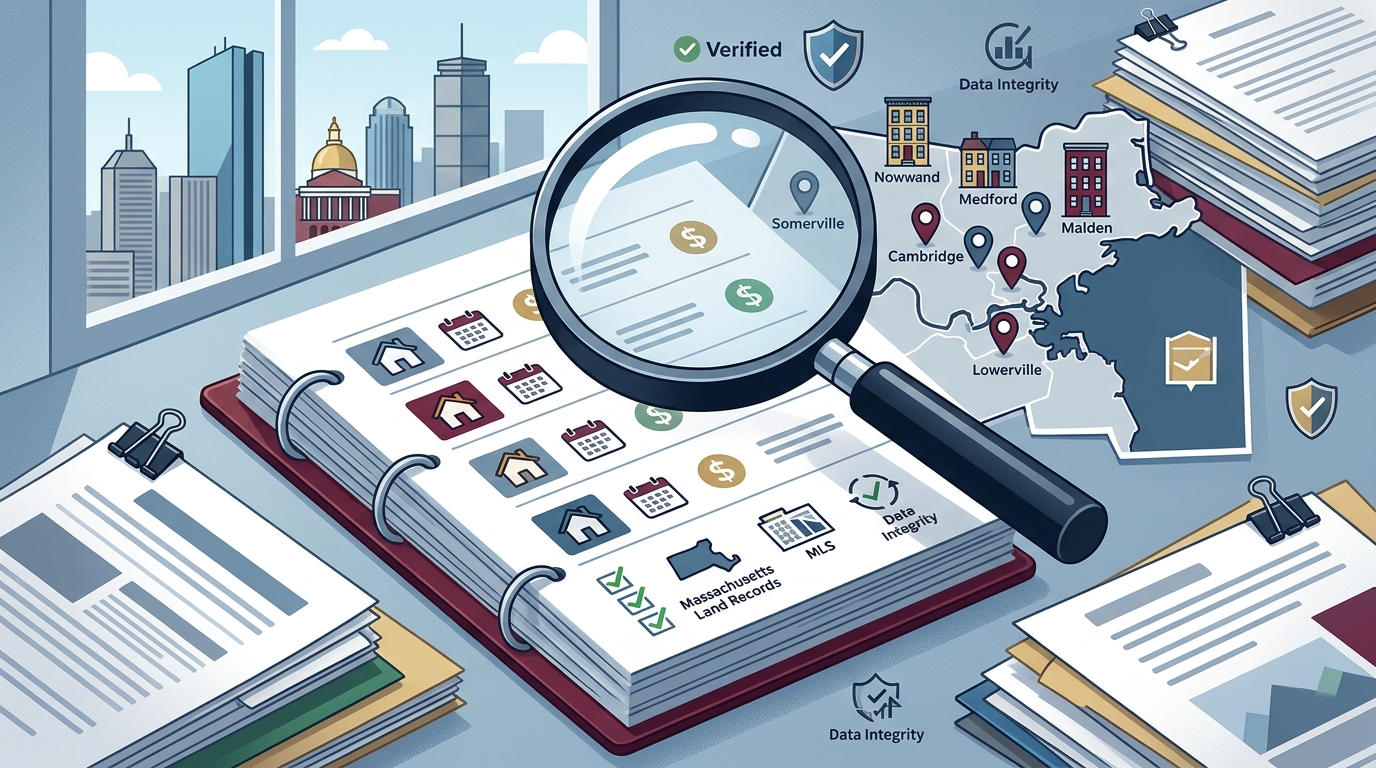
Verifying an agent's track record requires accessing public records or reputable real estate databases. A closed transaction is a real estate deal that has successfully completed the settlement process and transferred ownership. You can verify these numbers by checking the Multiple Listing Service (MLS) records or local board of realtors data. Do not rely solely on an agent's website or social media posts, as these can be curated to highlight successes while hiding inactivity. Instead, ask for a detailed list of recent sales in your specific area. Cross-reference these claims with public records to ensure accuracy. This due diligence protects you from hiring an agent who lacks recent, relevant experience.
Questions to Ask About Recent Activity
During your initial consultation, ask specific questions about the agent's recent performance. Inquire about the number of homes they have sold in your neighborhood over the past year. Ask about the average days on market for their recent listings compared to the neighborhood average. A competent agent is a professional who can provide transparent data on their recent closings. They should be able to discuss the specific challenges they faced in recent transactions and how they overcame them. This level of detail demonstrates genuine experience rather than superficial familiarity. For example, if you are selling a condo in Cambridge, ask how many condo sales they have closed in that specific building or complex in the last two years.
Aligning Track Record With Your Goals
Your specific real estate goals should dictate the type of track record you prioritize. If you are a first-time buyer, look for an agent with a strong history of guiding new buyers through the process. If you are selling a luxury property, seek an agent with a proven record of high-value closings. The alignment between an agent's past performance and your current needs is crucial for a successful transaction. An agent who has primarily handled rentals may not have the negotiation skills required for a competitive sale. By matching their specific transaction history to your objectives, you increase the likelihood of a positive outcome. This strategic approach ensures that you are working with a professional who has the exact experience you need.
Key Takeaways
- Total transaction volume is less important than recent, neighborhood-specific closings.
- Verify an agent's track record using public MLS records rather than self-reported data.
- Look for agents with significant activity in your exact target area within the last 24 months.
- Ask specific questions about recent sales, days on market, and negotiation outcomes.
- Align the agent's past performance with your specific buying or selling goals.
- Local expertise is defined by knowledge of community trends, zoning, and demographics.
Frequently Asked Questions
How many transactions should a realtor have closed in my area?
There is no fixed number, but an agent should have closed a significant portion of their recent activity in your specific neighborhood. Ideally, look for an agent who has handled at least 10 to 20 transactions in your area within the last two years.
Can I verify a realtor's transaction history?
Yes, you can verify transaction history by checking public MLS records, local board of realtors data, or county registry of deeds. These sources provide accurate, unaltered data on closed sales.
Why is neighborhood specificity important in Boston?
Boston and its surrounding communities have distinct housing markets, zoning laws, and buyer demographics. An agent's success in one neighborhood does not guarantee success in another, making local expertise critical.
What is the difference between a closed transaction and a pending sale?
How often should I check an agent's recent activity?
Real estate markets change rapidly, so you should verify an agent's activity within the last 12 to 24 months. This ensures their knowledge of current inventory and pricing strategies is up to date.
Does a high total career volume guarantee local expertise?
No, a high total career volume often includes sales from different regions or older transactions. It does not guarantee that the agent has recent, relevant experience in your specific neighborhood.
What questions should I ask about an agent's recent sales?
Ask about the number of sales in your area, the average days on market, the final sale price compared to the list price, and any specific challenges they faced during the transaction.
Conclusion
Choosing the right realtor in Greater Boston requires a careful audit of their actual transaction track record. Focus on recent, neighborhood-specific closings rather than total career volume. By verifying data and asking targeted questions, you can ensure you are working with a professional who has the exact experience you need. For personalized guidance on finding the right agent for your specific area, contact Guy Contaldi today.