

7 Red Flags to Avoid When Buying a Multifamily Investment Property
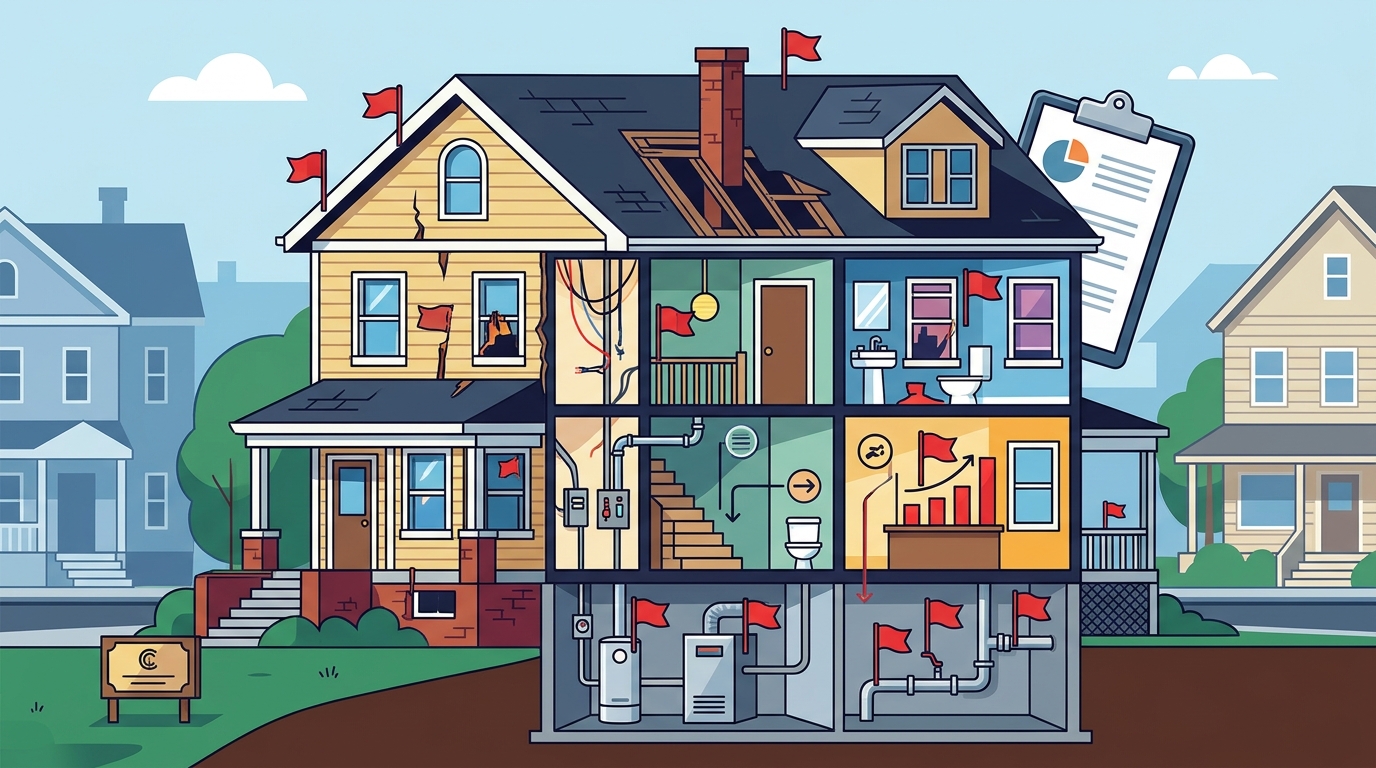
Buying a multifamily property in Greater Boston requires more than checking the asking price. You must evaluate structural integrity, legal compliance, and cash flow stability to protect your investment. Guy Contaldi helps investors navigate these risks by focusing on the specific hazards that can erode value in markets like Malden, Everett, and Cambridge.
1. Missing Smoke and Carbon Monoxide Certificates
Massachusetts law requires a valid certificate of compliance before any residential closing can occur. The Massachusetts Department of Fire Services mandates that every home sale includes proof that smoke and carbon monoxide alarms meet code. Without this certificate, a closing is legally impossible, regardless of what the purchase and sale agreement states. In cities like Malden, inspection windows are limited and scheduled, meaning a failed initial inspection can delay your closing past a rate lock expiration.
2. Unpermitted Structural Modifications
Unapproved changes to load-bearing walls or electrical systems create massive liability and repair costs. Many older multifamily buildings in the region have been modified over decades without proper permits. These changes can fail during a municipal inspection, forcing you to revert the work or pay for expensive retroactive approvals. Always verify that all additions, such as finished basements or converted attics, have the corresponding building permits on file.
3. Deferred Maintenance on Critical Systems
Visible wear on roofs, boilers, and plumbing indicates a pattern of neglect that will cost you thousands. A property that looks clean on the surface may be hiding failing infrastructure. In older stock, a boiler that is nearing the end of its life or a roof with patch repairs is a red flag for future capital expenditure. You must budget for these replacements immediately, as they are rarely covered by standard operating expenses.
4. High Tenant Turnover and Vacancy Rates
Consistent vacancies suggest poor management or a location that is losing appeal to renters. If a property has a history of high turnover, it signals that tenants are leaving for better options nearby. This can be caused by aggressive rent increases, poor maintenance response times, or a shift in the neighborhood's desirability. High turnover also increases your marketing and leasing costs, directly impacting your net operating income.
5. Zoning and Use Restrictions
Properties zoned for single-family use cannot legally be converted to multifamily without a variance. Some properties in the Greater Boston area are grandfathered in as multifamily but face strict restrictions on expansion or renovation. You must confirm the current zoning classification to ensure you can make the improvements you plan. A property that cannot be legally expanded or modified limits your long-term appreciation potential.
6. Litigation History and Title Defects
Active lawsuits or unclear title ownership can cloud your ability to sell or refinance later. A title search should reveal any liens, easements, or legal disputes attached to the property. If the seller is involved in litigation with tenants or neighbors, it can complicate the transfer of ownership. Clear title is essential for securing financing and ensuring you have full legal rights to the asset.
7. Inaccurate Rent Roll and Income Data
Discrepancies between the rent roll and actual lease agreements indicate potential fraud or mismanagement. Sellers may present an optimistic income statement that does not reflect the true cash flow. You must verify every lease, security deposit, and utility billing arrangement independently. Relying on unverified income data can lead to overpaying for the property and underestimating your actual return on investment.
Choosing the Right Property
When evaluating a multifamily investment, prioritize properties with clean compliance records and transparent financials. A property with minor cosmetic issues is far safer than one with hidden legal or structural defects. Use these red flags as a filter to eliminate risky assets before you make an offer.
Frequently Asked Questions
What is a certificate of compliance in Massachusetts?
A certificate of compliance is a legal document issued by the local fire department confirming that a property's smoke and carbon monoxide alarms meet state safety codes. It is required for all residential real estate transactions in Massachusetts.
Can I buy a multifamily property without a smoke certificate?
No, you cannot close on a residential property in Massachusetts without a valid certificate of compliance. The closing is legally blocked until the certificate is issued, which can cause significant delays if the property fails inspection.
How do I verify if a property has unpermitted work?
You can request a copy of the building permits from the local building department or hire a professional inspector to review the property's history. A thorough inspection can identify modifications that were not approved by the municipality.
What is the impact of high tenant turnover on investment value?
High tenant turnover increases operating costs due to marketing, cleaning, and repairs between tenants. It also signals potential management issues or a declining neighborhood, which can reduce the property's long-term value and appeal to future buyers.
Why is zoning important for multifamily investments?
Zoning determines what you can do with the property, including whether you can expand, renovate, or change its use. Buying a property in the wrong zoning category can limit your ability to make improvements that increase its value.
How can I verify the accuracy of a seller's income statement?
You should review all lease agreements, bank statements, and utility bills to cross-check the reported income. An independent review of the rent roll and expense records will reveal any discrepancies or inflated figures.